


November import statistics are breaking records, and there are lines of car carriers at the border. Ukrainians are buying up used cars en masse, especially electric cars, trying to make it to January 1, when the VAT refund will raise prices by 20%.
In this pursuit of “zero customs clearance,” buyers become the perfect target for unscrupulous sellers. “Buy quickly, because tomorrow it will be more expensive!”, “We have already sold a thousand of these, perfect condition!” — this psychological pressure forces people to ignore common sense and skip the inspection stage. And in vain.
What could go wrong?
When you buy a car on impulse, you only see the shiny bodywork. But the carʼs history often hides unpleasant surprises that will become apparent within a week of purchase.
Mileage: where is the resource limit? For a modern used car from Europe or the USA, mileage up to 100 thousand km is a great option. Up to 200 thousand km is quite tolerable and has a resource. But there is a category of “hidden retirees”: cars from corporate fleets or taxi services. They may look fresh (dry cleaning works wonders), but their real mileage often reaches 500–600 thousand km or more (especially for vans and minibuses). When you buy such a car, you buy a “wrapper” inside which the resource is completely exhausted. There is nothing to repair here, the units are simply worn out.
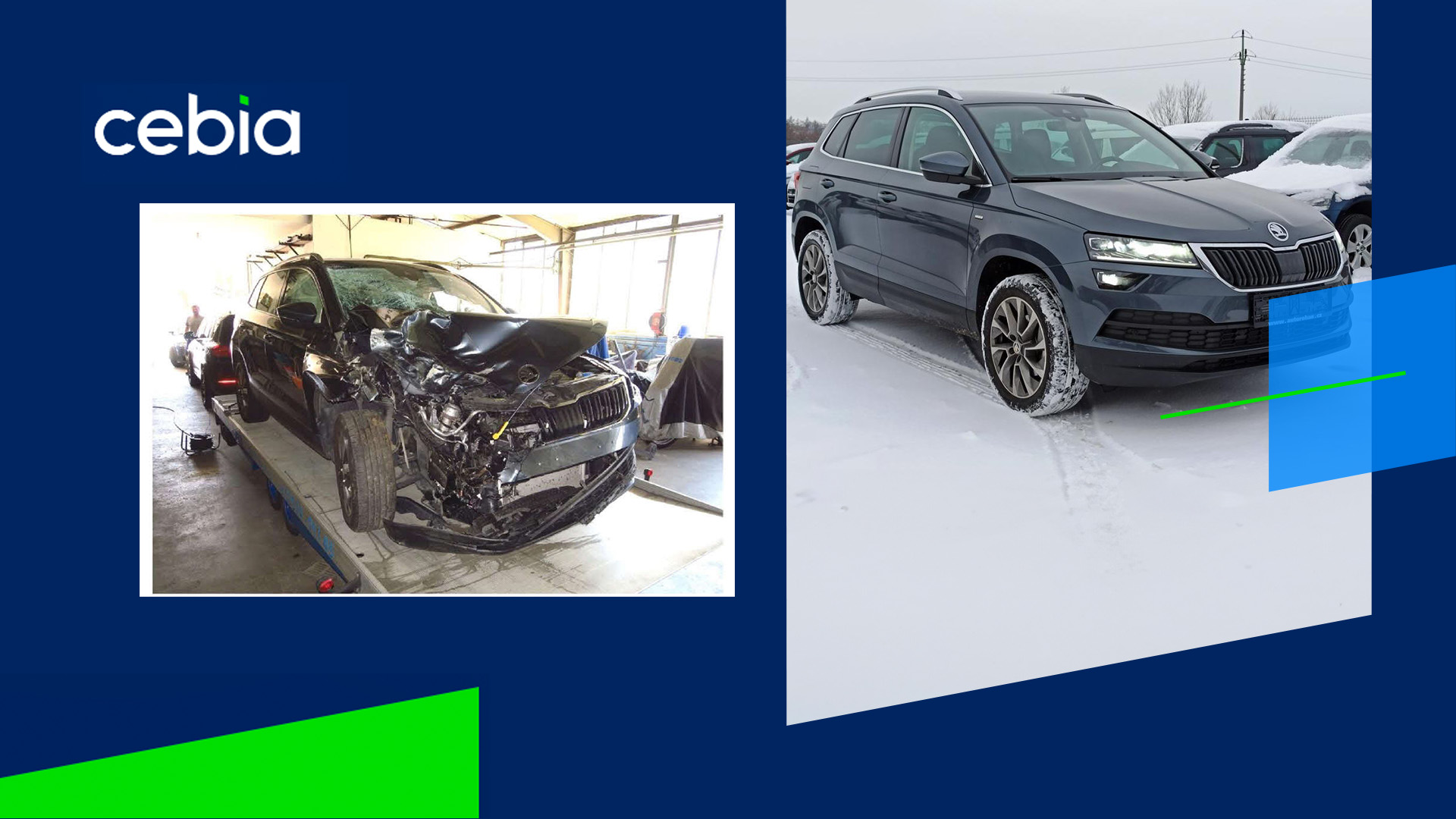
Accident: scratch or total? It is obvious that a damaged car cannot cost as much as a whole one. But the concept of “damaged” can be different. A dented bumper or wing is a reason for bargaining, but not a refusal. But a broken body geometry, deployed airbags, a “cooked” front end or roof after a rollover is already a danger to your life. Sellers often disguise a “total” as a cosmetic repair.
The price of a mistake: from $1,500 to infinity
The worst thing about a pig in a poke is not disappointment, but a bill from the service station. If you bought a car with inflated mileage or a hidden defect, be prepared to pay.
Here is the real repair arithmetic for an average used car (VW Passat, Skoda Octavia, Renault Megane):
- Replacing the engine (with a used one, because a new one costs a fortune): $1,500 — $3,000.
- Automatic transmission repair/replacement: $1,500 — $2,500.
- Fuel system (diesel): from $1,000+.
If you are looking at the premium class (Audi, BMW, Land Rover, Porsche) or powerful sports versions, multiply these numbers by at least three. An overhaul of the engine or gearbox there can easily reach $10,000 — $20,000. And problems can also arise in the electronics, batteries of electric vehicles — and the amount of repairs can exceed the cost of the car itself.
Solution: Inspection is cheaper than repair
How to avoid falling into this trap? The answer is simple: first check, then pay.
Cebia service allows you to find out the whole truth about the car even before you shake hands with the seller. With just the VIN code you get access to:
- Real mileage history: mileage charts will show whether you have clocked up an "extra" few hundred thousand kilometers.
- Damage stories: photos from auctions or insurance company records of accidents.
- Intended use: whether the car was a taxi or rental car.
- Service history: how often it was serviced.
In a time of hype, the best strategy is a cold calculation. It is better to spend a few hundred hryvnias to check 3–5 options at Cebia and find a decent car than to save on the check, buy the first option you come across "on sale" and then invest thousands of dollars every week in endless repairs.
Remember: a check takes a minute, repairs drag on in queues at service stations and waiting for spare parts for months.


