


The end of December is a time to take stock and make plans. A year ago, when we gave a forecast for 2025 , we talked about stabilization and the absence of sharp fluctuations. This scenario came true almost completely: the market did not go into a fever, the rules of the game remained unchanged. The only (but pleasant) miscalculation was the sphere of electric vehicles. We predicted an annual volume of 70 thousand cars, and we come to a figure of about 90 thousand. The market turned out to be much livelier, and the end of the year was really hot.
- Check the history of your car by VIN code on CEBIA!
What to expect in 2026? Will the pace be maintained, how will taxes be affected, and what will happen to fuel prices? The Institute for Automotive Market Research has prepared a baseline scenario.
Total Market Size: Balancing Needs and Opportunities
The main forecast for 2026 is stability. We do not expect either a sharp increase or a collapse in the total number of transactions in most segments. The market is held by two opposing factors.
- On the one hand, the need for mobility is not going away — a car in Ukraine remains a necessity.
- On the other hand, purchasing power is being squeezed: inflation and uncertainty are forcing people to postpone large purchases.
The result is neither stagnation nor growth, but a plateau. Cars will be sold, deals will be made, but records are being set aside for now.
Electric Cars: A “Hangover” After the December Hype
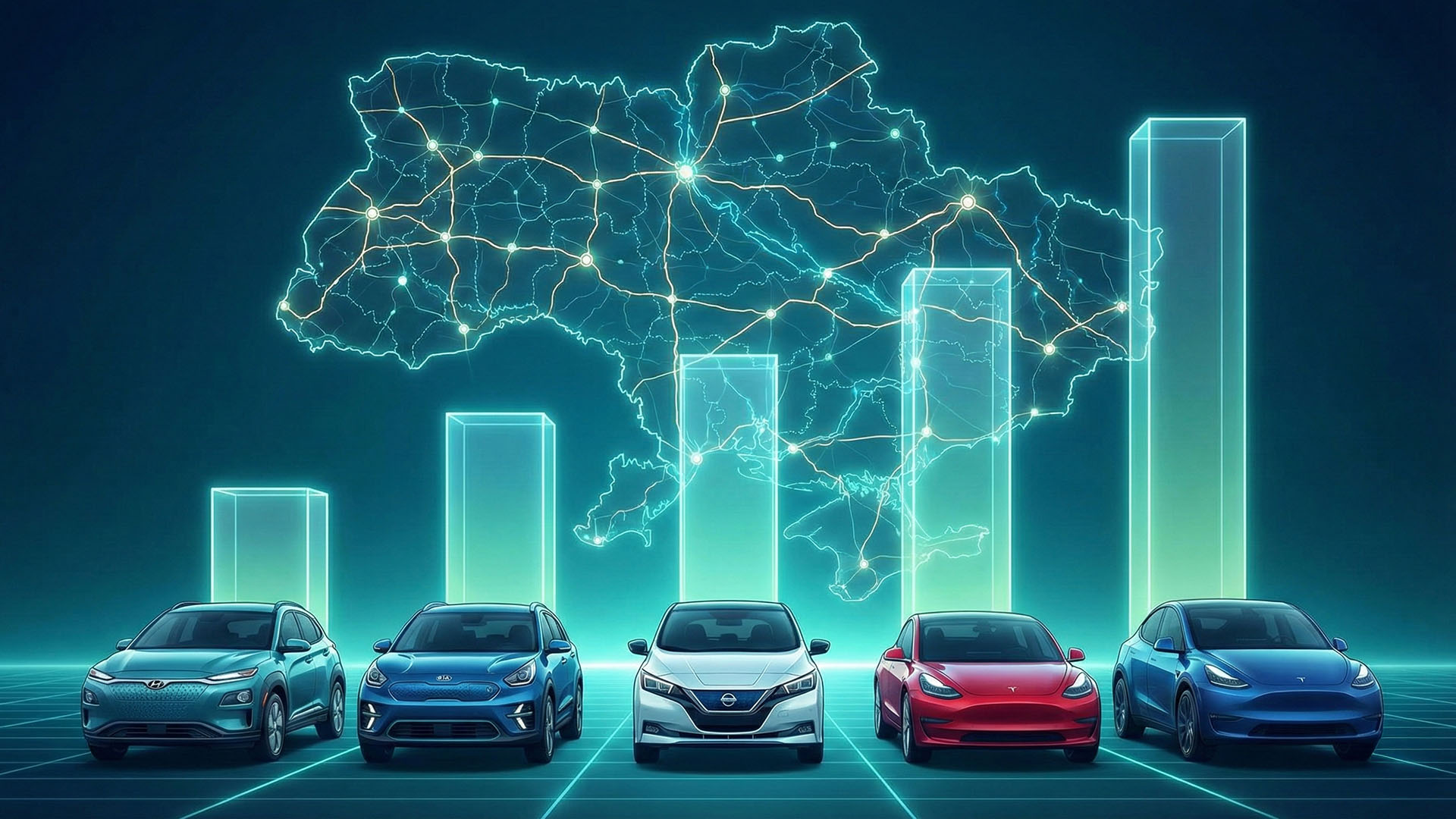
The biggest intrigue of 2026 is the segment of electric cars. From January 1, VAT on their customs clearance and supply will be returned. The anticipation of this event provoked real hysteria in November-December of the past year. The shortage of "green" license plates and queues at the service centers of the Ministry of Internal Affairs, which take up until the evening, are an attempt by businesses and citizens to "jump on the last train". Importers are massively registering imported cars for individuals in order to fix the price without tax.
What will happen next:
- A slump in the first quarter. January and February will see a sharp drop in sales. Everyone who planned to buy did so in December. The market will need time to recover from the glut.
- Price turbulence. Theoretically, prices should increase by 20% (VAT rate). But in practice we will see “price swings”. The market is oversaturated with previously imported cars. Sellers will be forced to dump due to high competition.
- Stabilization. By mid-year, the situation will level out, and prices will be fixed at a new, higher level (+20%).
Secondary market prices: No change (except electric vehicles)
For cars with internal combustion engines (gasoline/diesel/HBO), there are no prerequisites for sharp price jumps. World auctions do not demonstrate a significant drop in the value of lots, logistics are well-established and stable. Therefore, the cost of used cars in Ukraine will change only within the limits of seasonal fluctuations and natural aging of specific models.
The only risk factor here is the exchange rate. The secondary market in Ukraine is still mentally tied to the dollar. If the hryvnia is stable, the price tags in equivalent terms will not change either.
Fuel and LPG: The end of the era of gas savings?
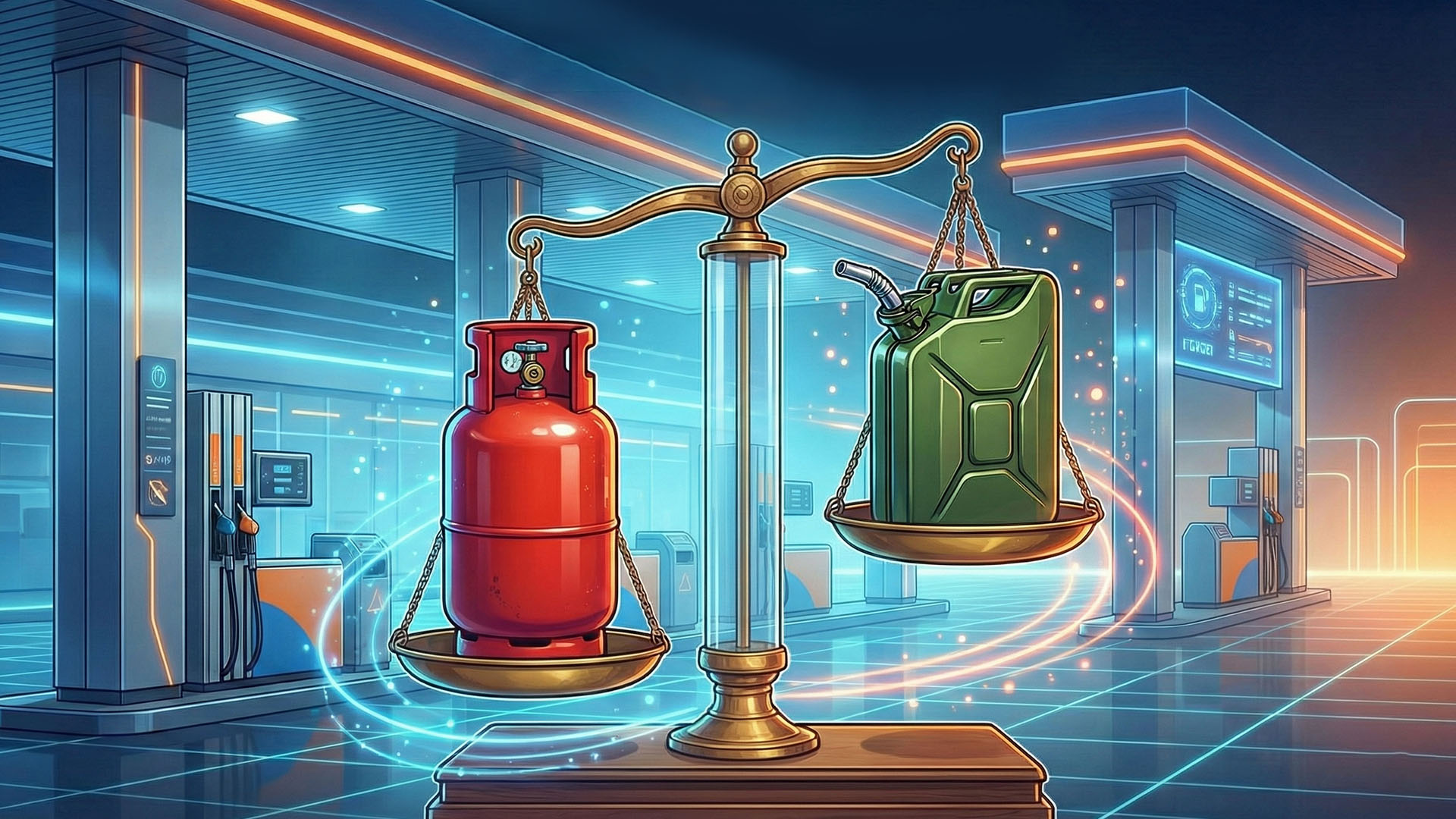
Fuel forecasts for 2026 are cautiously optimistic. Fuel market experts agree that even despite the increase in excise taxes, retail prices at gas station counters may remain at the current level. The reason is the global decline in oil prices, which offsets the tax burden. The main risk here is the exchange rate. Fuel in Ukraine is almost 100% imported, so any fluctuation in the euro/dollar exchange rate will be instantly reflected on the gas station display.
But the LPG market is facing difficult times. The narrowing of the price gap between gasoline and autogas makes the installation of LPG equipment economically unjustified for the average driver. If earlier LPG “returned” in a year, now, when the savings are a nominal 100 UAH per 100 km, the point of investing $500–800 in equipment disappears. We predict a decrease in the number of new LPG installations. Gas will remain interesting only for commercial vehicles and taxis with huge mileage.
It will also replenish the cluster of cars with low liquidity, old designs, or even newer ones, mostly "Americans" with bulky engines, for which a propane-butane mixture as fuel was not an option, but a salvation. Now only a few will buy passenger cars with 4-6-liter engines, and there will be significantly fewer people willing to buy cars with 2.5-3 liter "aspirated" engines. We will have to "accept" (as was the case with diesel engines at one time) turbines, complex electronics, and direct injection.
Import and Logistics: New Vectors
The head of the Institute for Car Market Research, Stanislav Buchatsky, predicts a significant change in the geography and structure of imports in 2026. The time of chaotic import of cars "on the word of honor" is passing, giving way to systemic business.
1. America is giving up, Europe is coming back
The era of dominance of "beats" from the United States is coming to an end.
- Electric cars: The hype has died down, and with the VAT refund, transporting them from overseas will become less profitable. Plus, there is a ban on transporting cars with water damage.
- Fuel factor: It is difficult to find an economical car in the US — multi-liter engines dominate there, which are becoming "golden" in operation in Ukraine (especially given the loss of meaning of HBO). Therefore, the US market share stabilizes at the usual 30%.
Instead, Europe is gaining ground. The advantages here are delivery time, lower accident rates ("whole, not broken"), and the availability of diesel engines, which are still popular among Ukrainians. A separate trend is leasing cars aged 3-5 years, the flow of which from the EU will only grow.
2. Customs Issues: Why Auctions Are a Lifesaver
The headache of European imports is the unpredictable cost of customs clearance. Customs often ignores the real prices in purchase contracts, calculating taxes according to their own tables. Solution: Switch to purchasing through official auctions, such as BCA. They provide an ironclad document — confirmation of the real price, which forces customs to calculate taxes honestly. In addition, this is access to the car without leaving the office.
3. The end of the era of "racers"
The market is becoming more professional. Individual private carriers (“racers”) are becoming a thing of the past. Import is becoming a complex logistical and financial process that only specialized platforms can handle. As analysts from West Auto Hub note, the need for imports will not disappear, because the domestic market of Ukraine is not self-sufficient, and sales of new cars are too low. But the format will change: the buyer will increasingly order a car “turnkey” through digital platforms that cover all issues — from redemption at auction to delivery and certification. Local dealerships will turn into points of delivery and service, and hubs such as WAH will take over the “operational” part.
4. Technical Inspection Factor
And about regulation. Mandatory technical inspection (MTI) is an EU requirement that has been talked about for a long time, but in 2026 we may finally see real legislative steps. If certification upon import is replaced by the first technical inspection, this will significantly change the rules of the game in the import direction. For now, this is at the level of discussion, but businesses should be ready.
Chinese Rebus: "Grey" vs. "White"
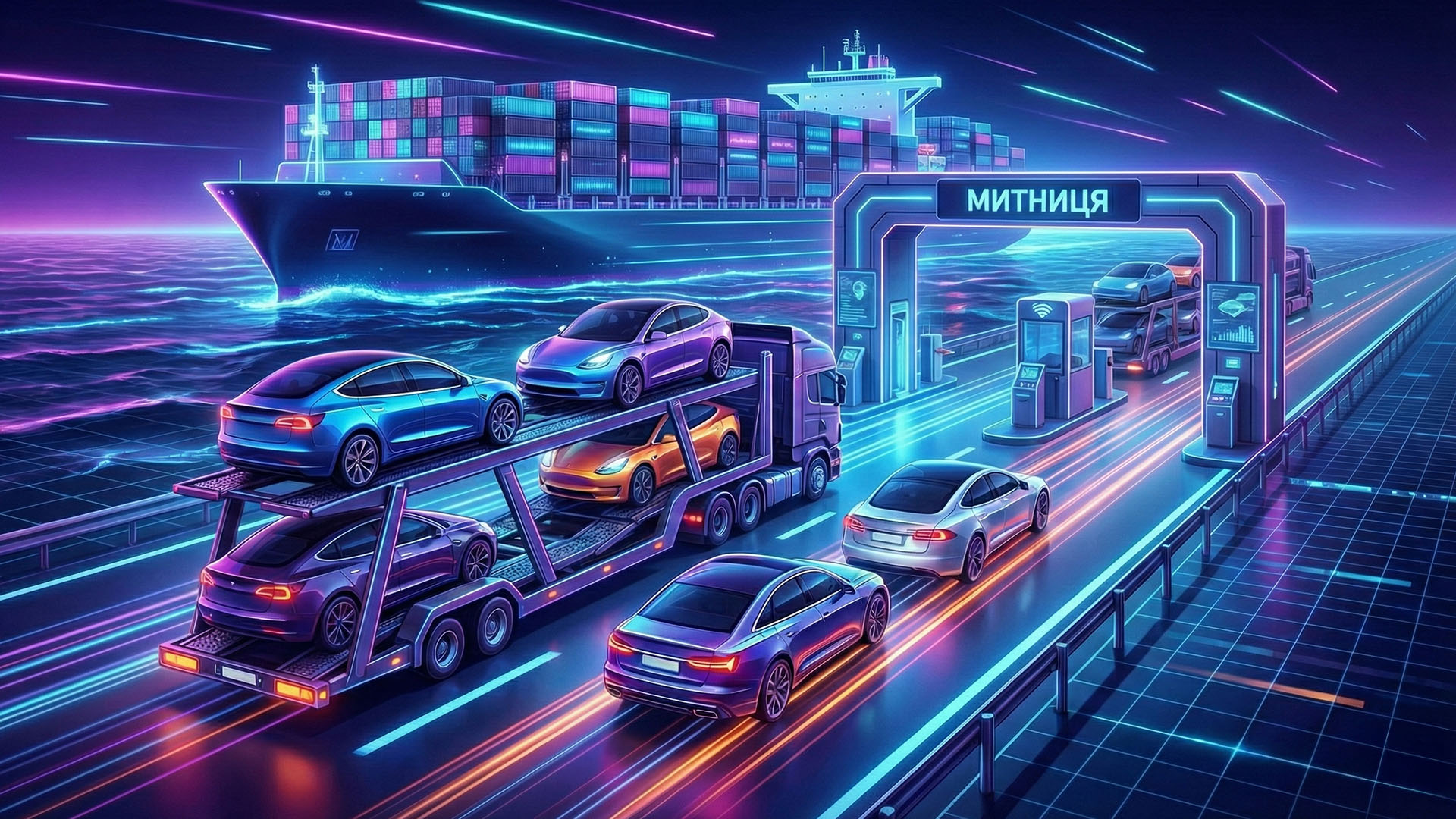
Chinese expansion remains the main thriller of the auto market in terms of new cars. In 2025, we saw the wild success of BYD and “Europeans with a Chinese passport” like the VW ID.Unyx. But in 2026, the intrigue intensifies. China introduces export restrictions (licensing) to protect the reputation of its brands abroad.
Scenario: Here the confrontation between cunning and bureaucracy will unfold.
- Importers: Ukrainian "unofficial" dealers are masters of survival. If there are even the smallest "detours" (through third countries, fictitious intermediary companies, etc.), the flow of cheap cars will not stop.
- Official dealers: They are the ones who are hit the hardest. With their expensive showrooms, standards (compliance) and official prices, they are losing the price war to the “gray” platforms. The statistics are inexorable: a Ukrainian is ready to buy a new car without red tape and coffee in the salon if the price is $5-10 thousand lower.
If the "gray" channels prevail, we will face a global reshaping of the new car market, where traditional dealerships risk becoming mere showrooms for "trying on," and purchases will take place wherever itʼs cheaper.
To remove all the "buts" and "ifs" in this section, it is worth waiting and collecting statistics for at least January-February, then we will have reference points for further triangulation, sorry, building a potential route for imported or relocated "Made in China" cars.

The Evolution of Trade: The American Dream on Ukrainian Platforms
We are witnessing a crisis in the genre of classic online sales. Large online classifieds are increasingly becoming just a showcase, not a place to make deals. Selling a car yourself ("hand to hand") is becoming long, difficult, and dangerous.
The market is drifting towards the “American model”. Instead of long correspondences in chats and meetings at gas stations, Ukrainians are increasingly choosing commission platforms and the Trade-in service. The formula is simple: “Arrived in an old car — paid extra — left in a new one”. Time is becoming more precious than money. People are ready to lose a nominal $500 on the price of a car to get rid of the headache of selling it. This trend will only intensify in 2026, turning a chaotic market into a civilized (albeit intermediary) business.
Motorcycles: A means of survival, not entertainment
The motorcycle segment demonstrates a clear social marker. The steady growth of sales, especially the share of new Chinese and Indian equipment, indicates a changing role of two-wheelers. A motorcycle in Ukraine is no longer a weekend toy for bikers. It is an alternative to a minibus. In villages and small towns, a cheap new motorcycle is becoming the only available means of mobility. In 2026, this trend will continue: while travel and fuel prices are rising, people will switch to 150-cc "Chinese". Cheap, angry and regardless of the bus schedule.
Practical conclusions: How not to lose in 2026?
1. Forget about the “2.5 naturally aspirated + HBO” strategy. For years, this has been the favorite formula of Ukrainians: buy a “beater” from the USA with a simple large engine and install gas. In 2026, the mathematics of this solution no longer works. The difference in fuel prices is decreasing, the cost of equipment is increasing. Buying a 3-liter “monster” with the hope of saving on gas is self-deception. Look towards modern small-volume turbo engines or hybrids.
2. Electric cars: Hold your breath. If you havenʼt had time to buy an electric car by December 31, 2025, take a breath. Donʼt run to the car dealership in January or February. The market will be in a fever, prices will be inadequate. The best time to buy will come in the second half of the year, when inventory and prices stabilize, and sellers will start fighting for the client. Or turn on the "hunting" mode and buy when you see that someone could not resist and lowered the price.
3. Chinese auto industry: A risk that is becoming the norm. The fear of "where will I get spare parts for this Zeekr?" is gradually losing relevance. The law of the market works: the more such cars on the roads, the faster the business establishes the supply of parts. Already now it is not necessary to write a letter to Beijing to find a headlight or bumper — Ukrainian entrepreneurs are quickly filling this niche. Therefore, buying a popular "Chinese" in 2026 is no longer an extreme, but simply a rational choice, albeit with certain nuances.
4. Give up the “car for all occasions”. The habit of buying one car that is as versatile as possible (to go to work, go fishing, and transport a wardrobe) often forces us to buy old, large, and inefficient cars. In 2026, it is more profitable to have a newer, compact, and economical car for everyday tasks, and to rent a van once a year for transporting goods. Focus on your real daily needs, not on hypothetical scenarios.
5. Time is money. If you are selling a car, try new formats: Trade-in or commission platforms. Independent sales through ads turn into a long quest with outbidding and dubious calls. The civilized services market in Ukraine has already grown so much that the platformʼs commission is often offset by the saved time and nerves.

Changing Eras: When “Soft” Wins “Hard”
Of course, there will be much more changes than described above — notes car market expert Ostap Novitsky : "In fact, we are standing on the threshold of a tectonic shift in consumer psychology — perhaps the largest in the entire history of the automotive industry.
The very essence of the car is changing. The familiar concepts of "sport", "prestige", "image" are filled with a radically new meaning. The very definition of "liquidity" is being rewritten before our eyes. What seemed like an eternal classic yesterday may become archaism tomorrow. Donʼt be surprised if soon world leaders will start switching from the usual S-Class to something completely different, which falls out of the classical understanding or cinematic image
Probably, in 2026 we will see the finale of the long-standing confrontation between engineers and marketers. The former did everything that physics allowed with metal. The latter sold everything that fantasy allowed. And the winners of this battle are software developers. Cars are starting to be created according to other principles, where the main thing is not the number of cylinders, but the architecture of the ecosystem.
This is a topic for a deep discussion and, perhaps, a separate book. We will talk in detail about how the world of cars is changing on the pages of the Institute for Automotive Research and in our videos throughout the next year. So subscribe to our Telegram to understand the market more deeply than others."
And finally. All these forecasts, plans and strategies make sense only under one condition. And we firmly know that this condition will be fulfilled. We stay here, we work here and we plan our future here. We believe in Ukraine and our Victory.
Merry Christmas!
The team of the Institute for Automotive Market Research.


