


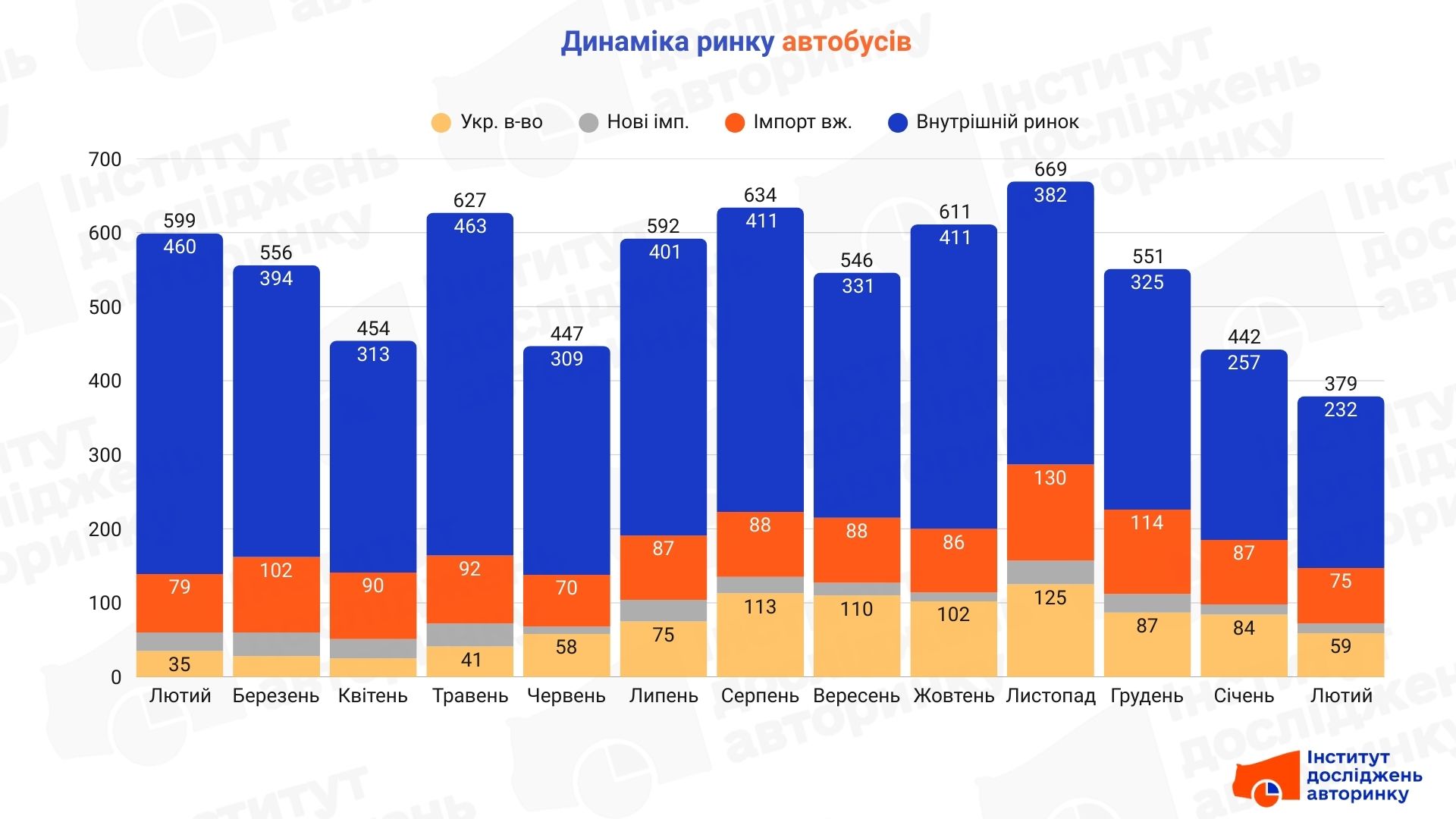
February bus market indicators demonstrate restrained dynamics in the used vehicle segments and at the same time record positive signals in the new domestic production sector. In total, 379 registration actions were recorded during the month, which reflects the current phase of adaptation of the passenger transportation market to new economic conditions.
- Check the history of buses by VIN code on CEBIA!
The largest share is traditionally occupied by the domestic market — 232 transactions. However, this segment showed the most noticeable annual decline ( -49.6% YY), which indicates a significant slowdown in the circulation of used equipment within the country. Imports of used buses amounted to 75 units, also showing a decrease both to January ( -13.8% ) and to last year. The new equipment segment totals 72 units, where the key driver was Ukrainian production: despite the monthly fluctuation, in annual terms it grew by a noticeable 68.6%.
Internal market: dominance of universal solutions
In the secondary passenger transport market, a clear focus on multifunctionality remains. The undisputed leader remains German-made equipment, which is used for both urban and suburban or intercity transportation. The high liquidity of such models is due to a developed service network and the ability to quickly adapt to various business needs.
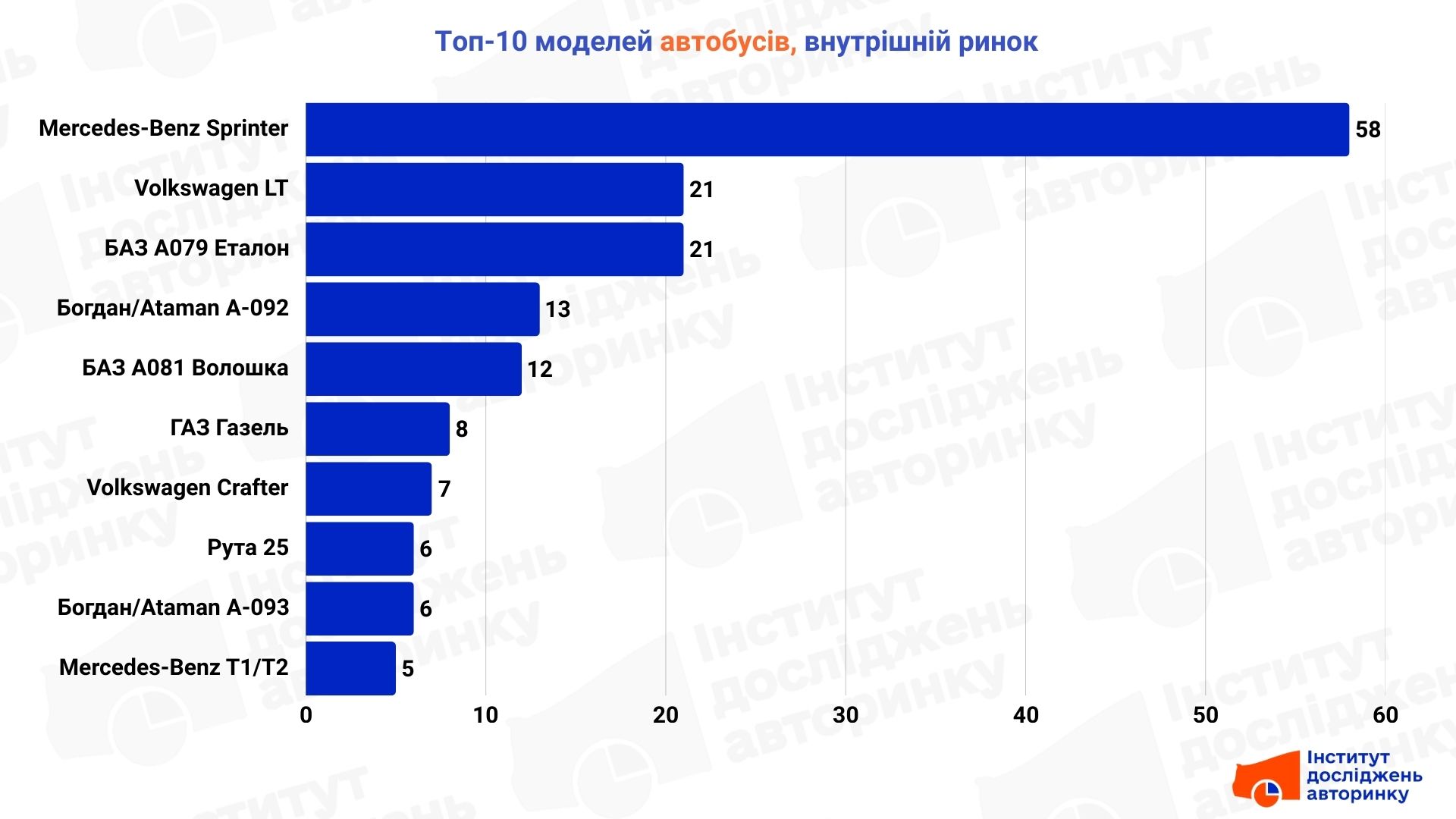
At the same time, a significant part of resales is formed by products of Ukrainian factories, released in previous years. Models on the aggregate base of Indian and Japanese chassis remain the basis of fleets for regular route transportation. It is interesting that the list of popular models still includes older generation vehicles, which indicates a long life cycle of commercial transport in Ukrainian realities and a demand for designs that are as easy to operate as possible.
Import of used vehicles: focus on tourist class and urban distribution
In the segment of "freshly imported" buses, specialization by destination is observed. On the one hand, stable imports of small-tonnage passenger models for local transportation remain. On the other hand, February statistics show activity in the segment of large tourist liners of European brands.
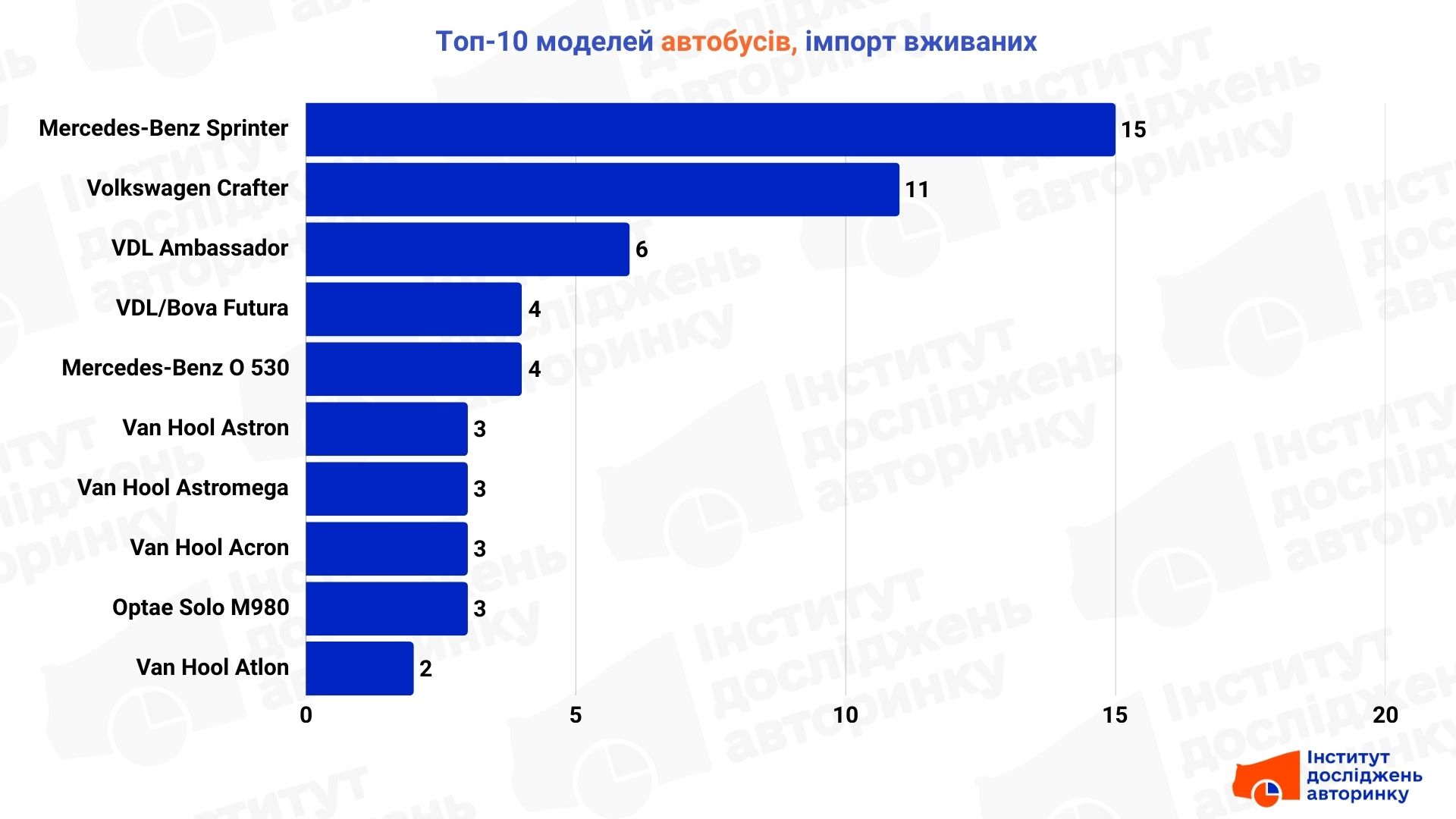
Of particular note is the presence in the list of leaders of Belgian and Dutch brands specializing in double-decker and high-decker buses. This indicates a gradual renewal of the fleets of operators operating on international routes. The market is also replenished with urban low-floor models, which are purchased to renew municipal and private fleets in large cities.
New equipment market: growth in domestic supply
The most optimistic annual dynamics was demonstrated by the sector of new buses of Ukrainian production. The main volume of registrations was provided by factories that produce small and medium-sized vehicles. These are mainly school buses and vehicles for social transportation, the demand for which is stimulated by state and regional procurement programs.
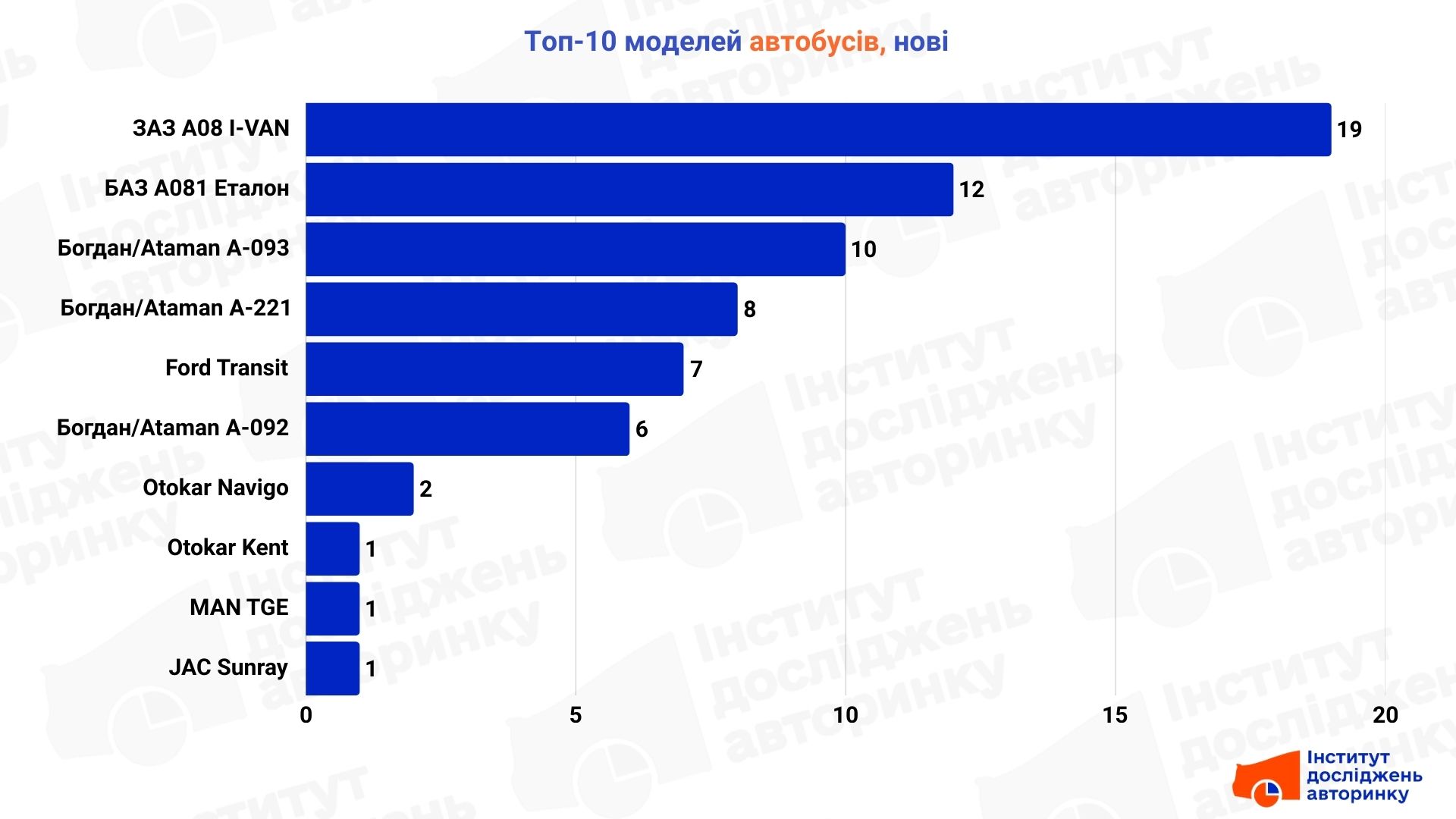
Imports of new foreign-made buses remain niche. In February, it was represented mainly by Turkish-made vehicles, as well as individual registrations of European and Chinese chassis. This market structure emphasizes that in the segment of mass passenger transportation, the national manufacturer is currently successfully competing with imports, meeting the needs for the renewal of socially significant transport.
Whatʼs the result?
The results of February indicate a period of transformation of the bus market. A significant drop in domestic resales indicates that the market expects new financial instruments or stabilization of the general economic situation. At the same time, the growth of domestic production by almost 70% year-on-year is the main positive indicator, confirming the ability of Ukrainian enterprises to meet basic needs in passenger transport even with limited imports of new foreign models.
- Need more data? — Contact IDA!


